Showing posts with label research. Show all posts

Saturday, January 20, 2024

A Benefit to Blogging and How a Book is Born

Last week my friend and fellow NC blogger, Joan Edwards, interviewed me on her blog. She asked questions about writing Half-Truths including how my blog has helped me develop my writing skills. This is what told her:

My blog has helped me in two ways. I read and reviewed lots of mentor texts. Each review has taught me to analyze what makes a novel stand out. I also was able to journal my progress with Half-Truths including reviewing books about the Black experience. The books were crucial to making Half-Truths authentic and the online journal helped me answer your questions!

Yesterday as I was working on my next book, Unbroken Heat (working title) I thought how keeping track of my progress with Half-Truths was helpful to me as well as to anyone who wanted to know the book's backstory. So, here I am with this week's blog post, to tell you about Unbroken and my love for glass.

Over 25 years ago I walked into a glass bead shop and I was hooked. I couldn't believe the intricate, gorgeous beads were glass! I told the owner I wanted to write about her and she replied, "Don't write about me. I'm going to introduce you to people who are bigger than me--you're going to meet some North Carolina glass artists."

As a result of her introductions, I watched hot, molten glass transform into works of art and wrote several articles. I won two awards from Highlights Magazine for my article, "Paul Stankard's Paperweight Magic;" and signed a contract for Discover Glass about the history, art, and science of glass. I thought I was set to become the expert on glass for kids. But the publisher went belly-up and I was left with boxes full of drafts, research notes, and photographs. 

Soon after that, I started Half-Truths. I promised myself that any book I wrote going forward would include glass. I couldn't waste all my research! So, when I created my protagonist's backstory,  her grandfather's (Andrew Dinsmore) history included working in a glass factory when he was a boy.

Meanwhile, somewhere along the line, I purchased KIDS AT WORK: LEWIS HINE AND THE CRUSADE AGAINST CHILD LABOR.

Pictures like these caught my attention:

https://www.loc.gov/resource/nclc.01154/

https://www.loc.gov/item/2018676573/

https://commons.wikimedia.org/wiki/File:Lewis_Hine,_Glass_works,_midnight,_Indiana,_1908.jpg

Who were these boys? How did they end up working in glass factories as young as 10 years old? What were their stories? Those images and questions stuck with me. 

I started researching. I thought I wanted to write about child labor in the glass industry, but as Harold Underdown reminded me when I began Half-Truths, that was only the setting. That wasn't the story itself. 

I started studying a book that Paul Stankard gave me years ago, 


and I watched YouTube videos that Wheaton Arts produced. 

I knew this was Andrew Dinsmore's story and that he had to go to work as a young teen--but I didn't know much else. Slowly, Andrew's life in a New Jersey glass factory in 1893 is getting fleshed out. I'm discovering what he wants and who or what will keep him from his goals. 

As I read about New Jersey's glass industry, I realized that besides the failed attempt at producing glassware in Jamestown, Va., the first successful glass factories were in colonial New Jersey.  Suddenly I had another story besides Andrew's--I had the story of a young indentured servant from England who landed in Philadelphia and must work off his debt in a glass factory in South Jersey. 

I had just finished reading The Blackbird Girls and was intrigued by Anne Blankman's use of two different timelines and multiple points of view. Could I do that with Unbroken? If so, what was the other timeline and how could I connect the two stories? Here's the pitch I came up with:

At the turn of the 20th century, a young factory worker is surrounded by deafening noise, blisteringly hot glass, and mind-numbing exhaustion. There is no end in sight until he finds mysterious notes from a boy who lived this life 100 years earlier.  

And now, I can begin a new page on my blog. And when Joan Edwards interviews me about Out of the Flame--I'll know exactly how it all began. 

                                                    ****

Please go to Greg Pattridge's Marvelous Middle Grade Monday blog for more middle-grade book reviews and news.




Thursday, June 16, 2022

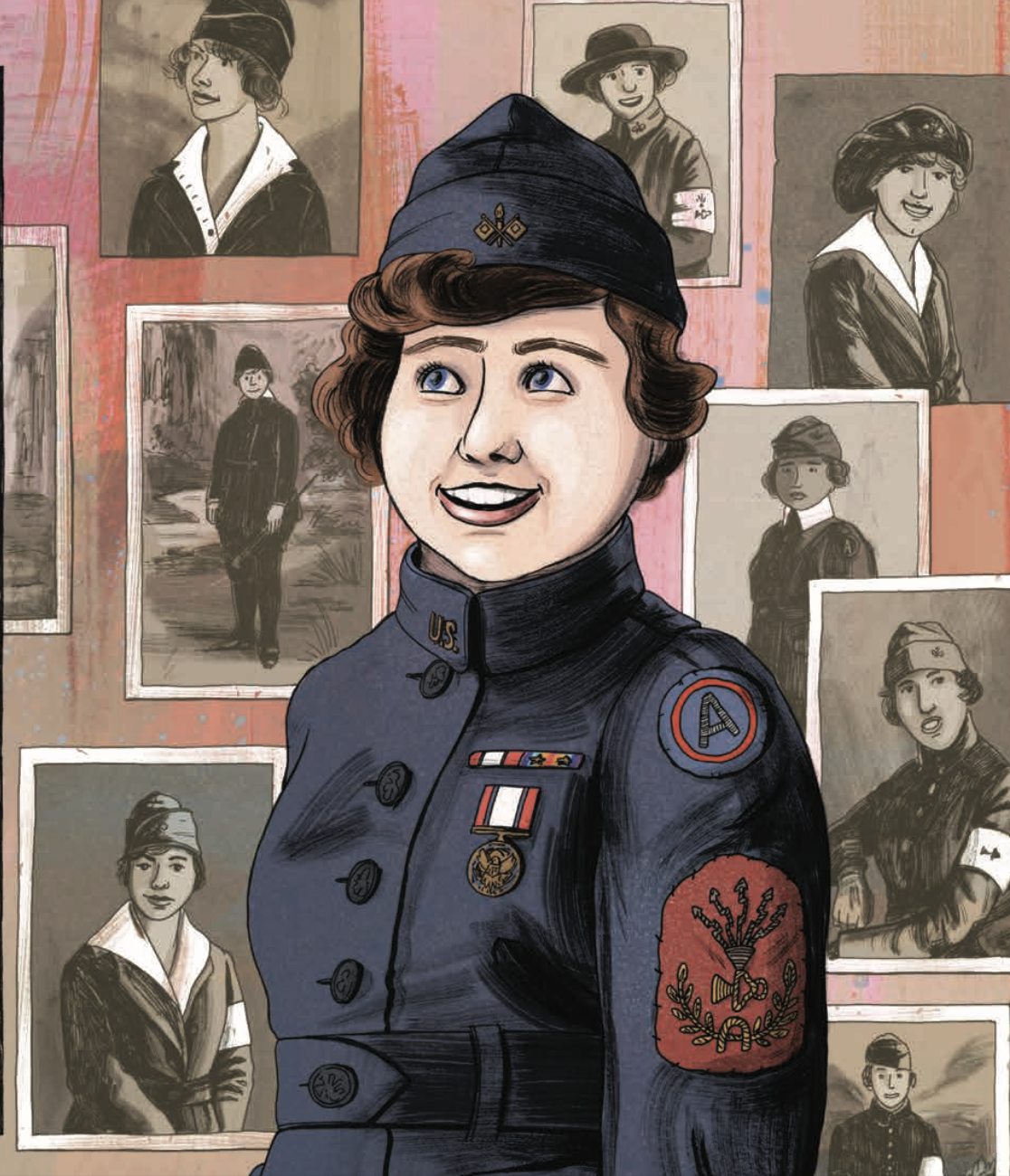
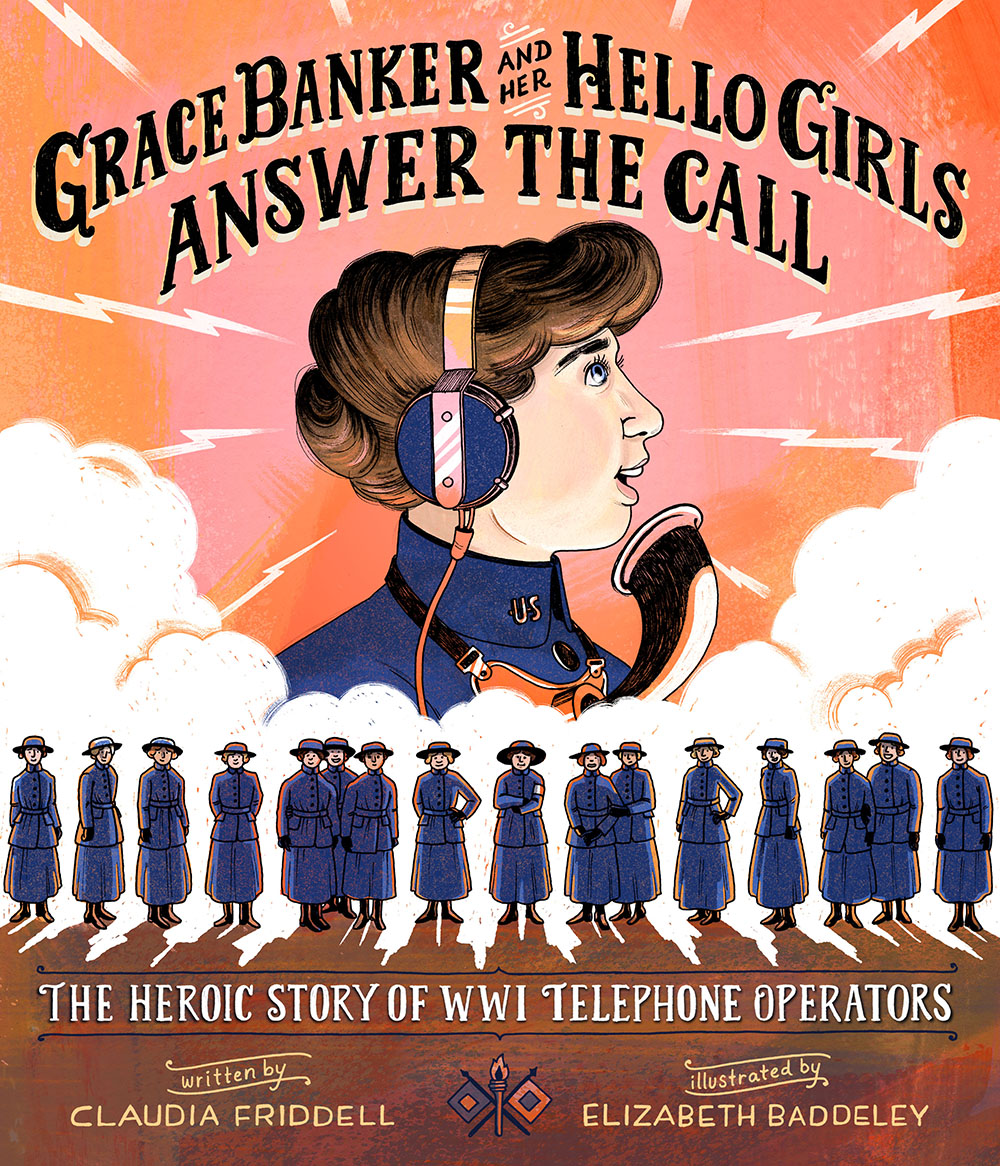
GRACE BANKER AND HER HELLO GIRLS ANSWER THE CALL- Part II. Author & Illustrator Interviews + Giveaway

 Last week I introduced you to Claudia Friddell's book, Grace Banker and Her Hello Girls. Today you're going behind the scenes on the story as well as learn interesting tidbits about the illustration process from the illustrator, Elizabeth Baddeley.  There is one thing that all of the nonfiction authors I have interviewed have in common: curiosity. Claudia's backstory is a great example of that!

AUTHOR INTERVIEW


CAROL: I understand that reading the book, The Hello Girls, was what prompted you to write this picture book. But what led you to that book? 

CLAUDIA: I found Elizabeth Cobb’s book when I was researching the story of Thomas Edison making up the word ‘hello’ to use as a telephone greeting. Elizabeth’s book The Hello Girls popped up and the blurb intrigued me so I preordered it. As soon as I got it, I read it in two sittings and was completely captivated by these remarkable women and their pioneering contributions to the military and our country which were unrecognized for 60 years. I thought Grace Banker was an inspiring leader and role model for kids today, so I decided to make her the subject of my kid-friendly version of the Hello Girls’ story. 


CAROL: Was it difficult tracking down Elizabeth Cobbs?

CLAUDIA: I thought it might be tricky to connect with Elizabeth, but I very much wanted her to be my expert if she was willing. It was not difficult to find her academic email address so I wrote her. She was incredibly gracious and helpful. When I spoke to her on the phone she invited me to join her in Washington DC for the screening of Jim Theres’ award-winning documentary, also called The Hello Girls. (I recommend everyone see it.  It’s fabulous!) There, I did not only meet Elizabeth and Jim, but I connected with Grace Banker’s niece, Carolyn Timbie, who was an invaluable contributor for my book. She shared Grace’s treasure chest of WWI mementos as well as Grace’s personal diary which I incorporated into my text. 

Carolyn invited me to her family’s lake cabin that her grandmother Grace and her grandfather built before Carolyn was born. There, at the same table where Grace sat, I found so many treasures—one of which was the faded handwritten Soldier’s Poem that is included in the back matter. I think that’s proof enough that the male soldiers considered these female telephone operators who enabled battlefield communications to be US soldiers as well!


As an aside and shout out to the importance of research—a nonfiction author’s treasure hunt—while I was researching Edison’s ‘hello’ story, I not only found the Hello Girls’ story, but I also learned about the camping trips of Thomas Edison and Henry Ford that pioneered recreational camping. You never know what treasures you’ll find when you dig into history!

CAROL: That is so amazing and so true!

By the way, Claudia's next book from Calkins Creek (releasing in October) is Road Trip: Camping with the Four Vagabonds: Thomas Edison, Henry Ford, Harvey Firestone, and John Burroughs!


ILLUSTRATOR INTERVIEW


CAROL: What medium did you use?

ELIZABETH: The medium is a combination of acrylic paint and ink drawings that I composited in Photoshop and added more color to.

CAROL: It seemed like there is a patriotic color theme going on. Am I right?

ELIZABETH: The red-white-blue theme was not intentional. I did intentionally use blue because the uniforms were a dark navy. As for the red, I just like it and tend to use it a lot! 


Here are some notes about Elizabeth's research from the Artist's Note which is part of the Back Matter.

As it so happens, I live in Kansas City, Missouri--the home of the National World War I Museum and Memorial. When I first began working on this book, I paid a visit to the museum. They have everything you could possibly want to see related to WWI, but most importantly for me, Grace Banker's actual uniform and helmet! I was able to sit and draw her uniform standing right in front of me...I looked at photographs, postcards, and even diary entries before ever putting pencil to paper. I love to be creative and have fun getting messy with ink and paint, but the real work always starts with the research.

GIVEAWAY

Leave me a comment by June 20 to enter this giveaway. If you haven't already left a comment on the first blog, do so now and you'll have two chances! If you prefer, email me at cbaldwin6@me.com. U.S. addresses only. 

Tuesday, May 10, 2022

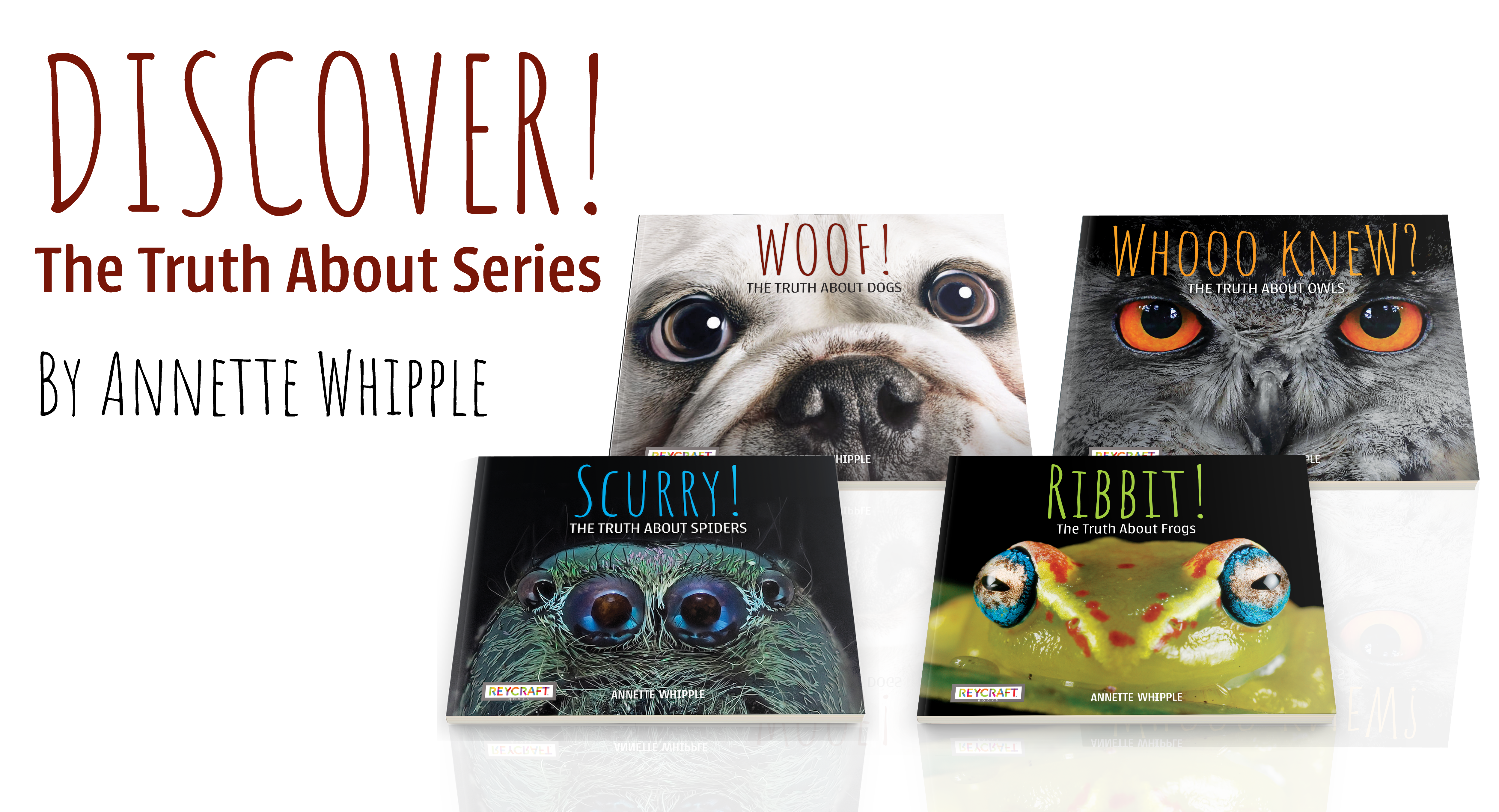
RIBBIT! THE TRUTH ABOUT FROGS: A Nonfiction Picture Book Review and Mini- Author Interview


Have you ever wondered what the difference was between toads and frogs? Or, maybe as a child you were curious about how frogs ate. Or, maybe your kid wants to know the different sounds that frogs make.

Whatever your question is about frogs, Annette Whipple's new "Truth About" book from Reycraft Books will answer it. With amazing photographs and "Leapin Legs" illustrations on many pages, Annette provides so many answers that you and your child will want to start building a DIY toad house (directions included, of course) immediately! 


To be perfectly honest, reading this book is like having a chat with your own personal herpetologist!


Here are a few things I learned from Ribbit!:

  • More than 100 species of new frogs are discovered each year.
  • Some frogs quack. (yes, really. Wood frogs!)
  • The Cane toad can lay 30,000 eggs at a time. WOW! That's a lot of babies!
  • Frogs invented the frog kick. Duh...
  • Some frogs live underground. You're going to have to read the book to find out which ones burrow to stay cool in deserts.
  • Sugar in a frog's body acts like antifreeze and keeps it from freezing during the winter. 
  • Frogs are important to science (see the book for surprising reasons why) and to our ecosystems. 


CURRICULUM RESOURCE


T
his is Annette's fourth book in the "Truth About Series." All of them make great science books for grades 1-3. You can read about two of her other books (on dogs and spiders) here. 

All of Annette's books are great STEM assets for school and home school classrooms, as well as for libraries. Several resources and downloadable activities  are available on her website; here's a link to the frog Teacher Guide.


Coming soon on Annette's site!

By the way, for those of you who are feline fans, her next book, MEOW! The Truth About Cats will be out in the fall. 

MINI-AUTHOR INTERVIEW

CAROL: Why frogs?

ANNETTE: I chose frogs because I was already curious about them. I also knew with all of the varied species they'd showcase beautifully in photographs, too. 

CAROL: How did you come up with the question and answer format? Obviously, I think it works really well!

ANNETTE: After setting aside my manuscript for what became Whooo Knew? The Truth About Owls for a couple of years, I returned to it and completely changed it. I changed the structure to a question-and-answer format. I also made it for a younger audience and added the humorous sidebars. As soon as I made these changes I knew it was finally marketable. (The previous drafts were well-written, but they didn't shine enough for a publisher to be interested.) 

CAROL: What is your research process like?

ANNETTE: When I research any topic, I use a combination of books, online resources, videos, and professional journal articles. I also consult with experts. Typically, I try to meet with an expert after I have a solid understanding of my topic. However, I met with an herpetologist early in my research for Ribbit! The Truth About Frogs because the timing was right. It was early spring! I keep a physical research notebook and file folders (physical and digital). You can see a bit of a research notebook at my blog. 

Check out this cute book trailer for all five books!


GIVEAWAY

If you are interested in adding this book to your home or school library, leave me a comment by May 14. If you follow my blog or decide to become a new follower, let me know in the comments and I'll put your name in twice. U.S. addresses only.

Congratulations to Marci Whitehurst who was thrilled to win DIVING DEEP. 

Thursday, May 5, 2022

DIVING DEEP: Using Machines to Explore the Ocean: A NonFiction Picture Book Review and Giveaway

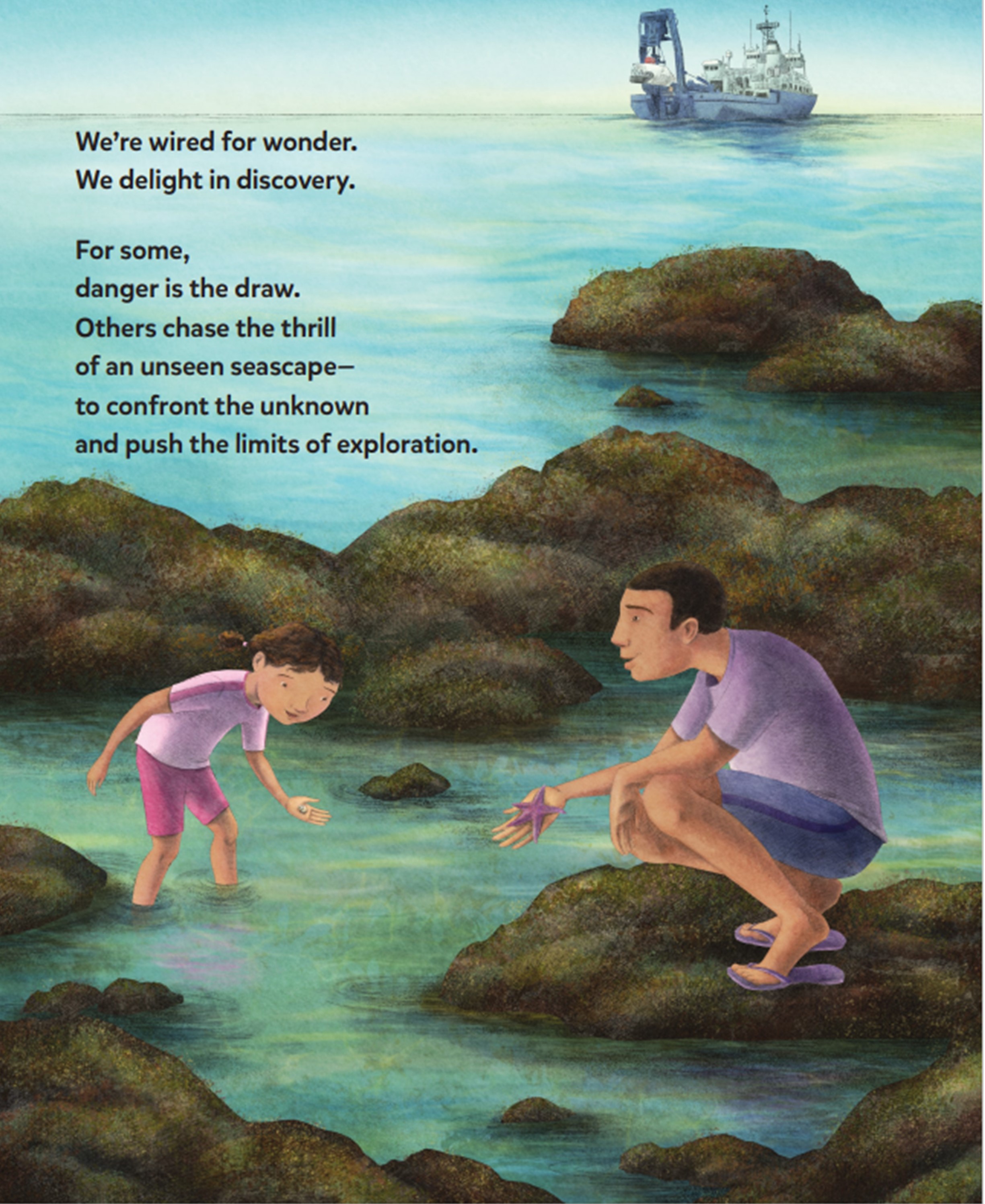
The title of this picture book says it all. The text by Michelle Cusolito and the magnificent illustrations by Nicole Wong provide readers of all ages with an intimate glimpse of ocean. Diving Deep is to be released in June, 2022 from Charlesbridge, but go ahead and pre-order it now!


REVIEW

This book will make you and your child or students say "WOW!"

Far away from shore, 

past beaches and coral reefs,

the ocean's surface conceals 

Earth's last unexplored wilderness.


What drives humans to dive into the sea

and sink deeper than the last inkling of light?


L


All illustrations copyright 
© 2022 by Nicole Wong. Used with permission.


The book begins with the simplest (and most shallow) way to explore the ocean (snorkeling) and ends with the most complicated and deepest (tucked inside a thick metal sphere inside a submersible). Each of the nine ways to explore the ocean are first illustrated with text that is accessible to kindergarten through second graders. Additional text on the accompanying page is aimed at third to fourth grade readers. These pages include details such as how deep the people or machine can go, how long they stay under water, how many people are involved, and also includes potential dangers.

This illustration of an underwater lab captivated me. Don't you love the grouper outside the window?


Here is the text explaining Aquarius Reef Base which is located off the coast of Florida:

It is slightly bigger than a city bus. Scientists who live and work in Aquarius dive to the lab using scuba gear. They live at two and a half times the pressure at sea level. Observers at the surface monitor the habitat through live video and audio feeds. By living at depth, scientists can dive for many more hours than from a boat on the surface, and they can complete research projects in less time. Before returning to the surface, they go through seventeen hours of decompression inside Aquarius. Then they swim to the surface using a small tank of air. Dangers include Aquarius system failure and DCS during quick emergency returns to the surface. 

How about a submersible? Notice the verb use of he word "pretzel."

Typical depth: up to 1,000 meters (3,300 feet)
Time: 6 to 12 hours. Number of people: 1 to 3. 
A DeepWorker submersible is like a chair with a submarine wrapped around it. As with other submersibles, the pressure inside is the same as at sea level. A clear, domed top provides a wide view, and dives last about six hours. The pilot drives with their feet, leaving their hands free to take notes or photographs. A headset allows communication with the surface. Triton 3300 submersibles carry one to three people and can dive for eight to ten hours.

The book returns full circle to the young girl and her adult companion snorkeling in a coral reef.

Tomorrow we may 

unlock more secrets of life on Earth.

The last two pages show images of individuals and machines in various water depths.


BACK MATTER

An extensive Author's Note includes Cusolito's previous work, Flying Deep, some information on her research process, and a brief history of underwater exploration. There are also notes about measurement, an extensive glossary, and a bibliography.

PRE-ORDER SPECIAL!!

Michelle told me that she and Nicole have a special pre-order campaign going with Eight Cousins Books. Anyone who preorders from them will receive an adorable, frameable 4x6 print of the strawberry squid from the back matter. All preorders from Eight Cousins will also be signed by me AND Nicole Wong, the illustrator. 

GIVEAWAY

Interested in adding this book to your home or school library? Please leave me a comment by May 9 (along with your name and email address if you are new to my blog) to enter the giveaway. Sign up to follow my blog or share this on social media (make sure you tell me what you do!) and I'll enter your name twice. Continental U.S. addresses only.

Congratulations to Natalie Aguirre who won The Captain's' Daughters. 

Monday, March 28, 2022

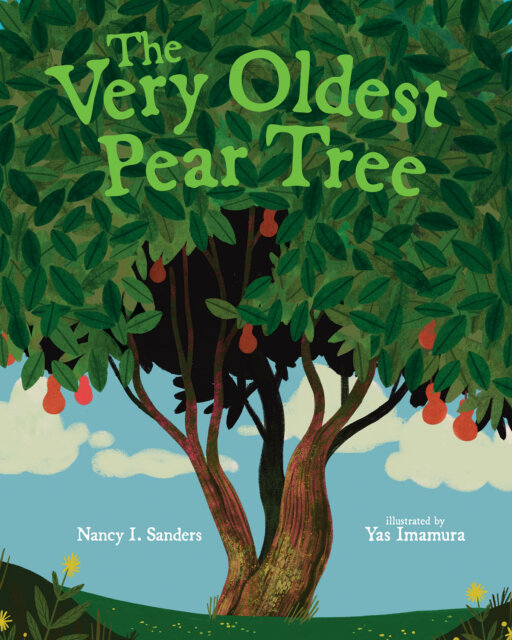
THE VERY OLDEST PEAR TREE: A Picture Book Review, Mini-Author Interview, and Giveaway

 I'm delighted to introduce you to a new author friend of mine, Nancy I. Sanders. Nancy has published scads of books and her blog is full of information for writers, teachers, and readers. Take your time to look around her site and you'll be impressed as I am with her experience and generosity! If you want to get to know more about Nancy's passion for picture books, check out this interview. 

In today's post I'm highlighting one of her picture books, The Very Oldest Pear Tree (Albert Whitman & Co., 2020). This informational book for readers from 5-8 years old, tells the inspirational story of how the Endicott pear tree grew up with our nation. Click here for links to classroom resources.


REVIEW

The year is 1630. The main character is a pear tree sapling that is shipped to the governor of Salem, John Endecott.  He has missed the fruit trees in England and is determined to start an orchard.


Governor Endecott picked the little pear tree to grow right in front of his house, hoping that it would live a long time. "The tree was small yet strong. Though young, its roots reached deep."

Twelve years later a fire blew through the orchard, destroying hundreds of trees--but the Endecott pear was spared. Generations passed. The family changed the spelling of their last name, the Governor's house crumbled, but the Endicott pear tree--with its new name, stood.  

By the time our second president of the United States, John Adams, ate one of its pears, the tree had become a legend. It inspired Massachusetts poets like Henry Wadsworth Longfellow and  Lucy Larcom. 


The tree survived a hurricane in 1938 and vandalism in 1964. Tree experts were unable to graft new branches. But, the Endicott pear tree tree sent out roots and "almost miraculously, a hundred tiny branches sprouted along the trunks. It survived!"


In 1997 a cutting was used to grow a new Endicott pear tree. Clones were made, seeds stored in a storage bank, and now Endicott pear trees have been planted across the nation--including this one, that Nancy planted and is now six feet tall!


Today, about four hundred years old, the Endicott pear tree is the oldest living tree cultivated in America. When John Endecott first planned it in front of his house, he expected the pear tree to outlive him by more than a hundred years. But no one imagined its story could still be told today.

The Endicott pear tree is a survivor. It's older than America itself. And it's still standing strong.

MINI-AUTHOR INTERVIEW

CAROL: How did you get interested in this topic? 

NANCY: I wanted to write a picture book every elementary teacher would want to use in the classroom. I figured that would be a highly commercial topic. So I knew children study Pilgrims in Kindergarten/first grade. So I started reading about Pilgrims to see if I could find any new topics about Pilgrims that hadn't been written about before. I discovered they planted an orchard of apple trees!

I started researching their orchard of apple trees because I love trees...and each time I searched for that on the Internet, links would come up for a pear tree that the Puritans had planted...that was still alive and growing strong! I started clicking on those links, learned about the Endicott Pear Tree, and was hooked. I fell in love with it right from the start!

CAROL: What type of research did you do?

NANCY: First I read everything I could about it. There's actually a lot online from the historical society that still helps care for it.

Then I contacted Bill Endicott, the president of the family's descendants who originally planted the tree. He gave me a lot of information.

Then I took a trip to Boston and Salem and Danvers to actually visit the tree and take lots of photographs. That was so exciting to actually touch the tree and sit near it!

CAROL: What was your path to publication? 

NANCY: This was one of the rare times in my career that I wrote the entire book before I queried a publisher. I sent the manuscript to my agent Cyle Young who submitted it. And Albert Whitman picked it up!

CAROL: Any thoughts on the illustration style?

NANCY: I was so excited to learn that Yas Imamura was picked up to illustrate this book. I was already familiar with her name and her style because she had illustrated some very nice nonfiction picture books at that time. I love her style which has a nice Americana and historic feel.

GIVEAWAY

Leave me a comment with your email address if you are interested in winning a copy of this book; U.S. addresses only. Giveaway ends April 2. This will make a great homeschool or classroom resource--or just a wonderful book for your bookshelf!

Congratulations to Natalie Aguire who won Picturing a Nation from last week's post.

Friday, March 18, 2022

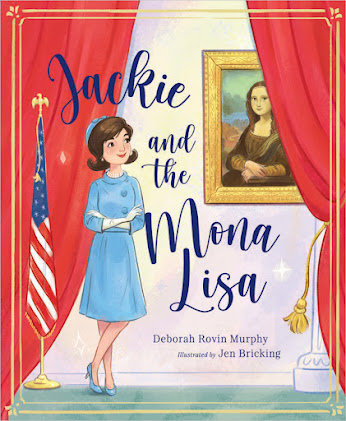
JACKIE AND THE MONA LISA- PART II: An Interview with the Author and Illustrator

 Thanks for returning to my blog for this second post featuring JACKIE AND THE MONA LISA. (Click here if you missed Part I). Deborah Robin Murphy graciously agreed to answering a few questions about her debut picture book, and I'm happy to also have illustrator Jen Bricking join the conversation. 


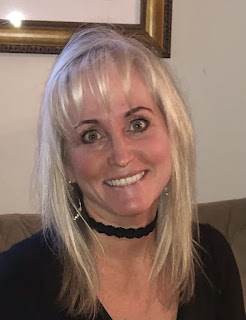
Deborah Rovin Murphy, Author

Carol: How did you get interested in Jackie and the Mona Lisa? 

Deborah: I have always been a fan of art, history, and museums. I read an adult book about Jackie Kennedy and the Mona Lisa, and I was so fascinated and surprised when no one I talked to about it really knew about the story…even those old enough to have possibly seen it in a newspaper or heard about it on TV. I love stories that have “fallen through the cracks” and aren’t well known. The Mona Lisa is so iconic and famous, and I couldn’t believe that it was actually in the United States. I have also always admired Jackie Kennedy and all she did as First Lady and beyond. 

Carol: What was your path to publication?

Deborah: I wrote the first draft of this story about seven years ago. It looked a lot different than the final story you see in the book today. I submitted to many publishers using the Children’s Writers and Illustrators Guide and connections I made from being a member of the Society of Children’s Book Writers and Illustrators (SCBWI) as a guide.  Five years and multiple rejections later, my awesome editor at Sleeping Bear Press liked the story and offered me a contract. I literally screamed when I saw the email… to a writer that is like winning the lottery-especially with years and years of trying with this and other stories I have written.

Carol: What went into researching the text? Do you have any personal connection to Jackie? 

Deborah: I love research! For me, the library still remains one of the best places to look for information. I like to be able to find books that explore my topic and make use of the traditional tools such as using the index and exploring the chapters of the book myself because I may find a piece of information that wouldn’t have come up on an internet search. Of course, the internet is definitely a great tool for research; however, like any tool, I think you have to know how to use it efficiently and effectively. I believe that you want to approach your research with a plan. Where will you find the best and most accurate information? For me, finding the John F. Kennedy Presidential Library website was invaluable. I could access their archives and see actual documents, speeches and photographs that tied in with Jackie and the planning that went into Mona Lisa’s visit to America. I researched Mona Lisa’s background as well. I like to get all of the information I can and start to whittle it down to the important parts I want to include in the book.

I guess my personal connection to Jackie would be that I remember my mom telling me how much she admired her when she was First Lady in the 1960’s and how she herself had outfits modeled after Jackie’s style. My mom even had a pillbox hat with her wedding veil! As I grew older and read more about her, I loved that Jackie was such an amazing mother who made raising her children her number one priority. As a mother myself, I value that.  My favorite Jackie quote is, “If you bungle raising your children, I don’t think whatever else you do matters much.”


Debbie has loved visiting museums since her class trip to the Philadelphia Museum of Art when she was in elementary school. An elementary school teacher herself, she even considered becoming an art teacher because of her love of art. She was so inspired by Jackie Kennedy when she read about what she did to promote the arts in America and amazed when she found out Jackie was responsible for getting the Mona Lisa to come to the USA. She lives in Bucks County, Pennsylvania and was lucky enough to have seen the Mona Lisa on her trip to France.  

 
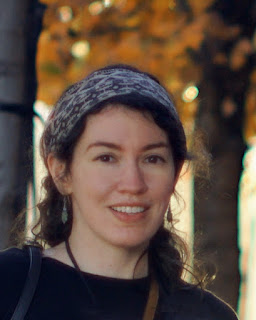
Jen Bricking, Illustrator

Carol: What went into researching the illustrations? Do you have any personal connection to Jackie?

Jen: Researching and the early sketch phase are two of my favorite parts of the picture book making process, and I love to doodle while I collect reference! Once I received the manuscript, I basically did a deep dive into all things Jackie. I researched historical photos, watched videos and movies, and read everything I could find about Jackie, the time period and, of course, the Mona Lisa. I wanted to make sure my illustrations were historically accurate (aside from minor details to pump up the charm), so I combed through the JFK Library and The National Archives. They have a comprehensive collection of resources from Jackie’s time as First Lady, her White House restoration, and when she brought the Mona Lisa to the United States. I relied heavily on these collections, along with other websites and blogs dedicated to Jackie’s life. I collected around a thousand reference images and even made a Jackie Pinterest page. 

Other than what I learned in history classes or saw on TV as a kid, I didn’t know too much about her life before or after being First Lady. I especially didn’t know about some of the fun and interesting facts this book reveals. I remember both of my grandmothers having a great fondness for her, and I’ve always admired her for her contribution to the arts and her pursuit in making it accessible for everyone.

Carol: What was your medium and what influenced your choice of that medium and your choice of the color palette?

Jen: I used pencil and digital to create the illustrations. I sketched some of the initial character designs and layouts with pencil on paper, but I primarily used my iPad and computer to sketch and paint all of the illustrations. I painted digitally in the same manner as using watercolor to give it a soft, traditional, and timeless look, perfect for Jackie! Because Jackie was also known as a very influential fashion icon, I referenced a lot of 1960’s fashion illustrations, magazines, catalogues, and advertisements. I wanted to evoke a nostalgic yet modern visual style, and so the color palettes of the fashion of that era, especially Jackie’s colorful dresses and pillbox hats, were a big influence. It was all very vibrant but soft, and I wanted that to come through in my illustrations.


Jen has seen the Mona Lisa twice and, like Jackie, loves everything French. She works as an illustrator and artist for video games and animation. Her other books include Ten Magic Butterflies, Jane and Me series for the Jane Goodall Institute and various illustrated novels. When she isn’t drawing, she likes to travel, ride her bicycle and skateboard. You can follow her on Instagram at jenbricking or visit her at jbricking.com.

GIVEAWAY

For a chance to win this book, leave a comment with your email address, or send me an email if you prefer. If you follow my blog you get another chance. Giveaway ends Monday, March 21. U.S. addresses only. 

Wednesday, September 8, 2021

June Almeida, Virus Detective: A Nonfiction Picture Book Review and Giveaway

When author Suzanne Slade read about June Almeida in National Geographic in April, 2020, many of us were still figuring out how the coronavirus pandemic would impact our lives. Suzanne put aside the book she was working on and spent two intense weeks (after serious research and interviewing June's daughter Dr. Joyce Almeida), to complete a decent first draft. She contacted two publishers with whom she had previously worked. She wanted to know who could do the fastest turn-around since she was hoping to get the book out in one year. Sleeping Bear Press was the most excited about the topic and were prepared to "move mountains" to release it in one year-- which they did. In early 2021, Suzanne's book about the woman who discovered the first human coronavirus was published by Sleeping Bear Press. What a timely book!

REVIEW

As a child, June loved school and discovering new things in science. 


She also loved her baby brother Harry. When she was ten he died of a serious illness. As she grew up, June never forgot him and the illness that took him away at such a young age. 

Apart from studying biology and finding out about cells and their jobs, she also enjoyed photographing nature. 


To help support her family, June left school at 16 and obtained a job at a local hospital. She gained skills in using a microscope. Several years later she used these skills when she started working with a powerful electron microscope. 

Photo from the Washington Post January 2021
but courtesy of Julie Almeida.

Instead of using light, this huge microscope shot a beam of electrons at the sample being examined. It recored how the electrons acted when they hit the sample and then created a detailed picture...The microscope's photos were helpful. But it was hard to tell which tiny blobs were viruses and which were cells....June was determined to get better pictures.
Using her photography and electron microscope skills, June blasted antibodies and virus cells with an electron beam. "The antibodies "crowded around the virus--just as she'd hoped." 

Her excellent pictures made her famous in the scientific world. A London scientist sent her a mysterious virus no one in his lab could identify. 


June used a technique called negative staining and spotted the mystery virus!

Photo courtesy Julie Almeida and A.J. Tyrell.

Years earlier she'd seen two other viruses that looked like this virus, but researchers rejected her paper saying she couldn't have possibly found a new virus.

But in 1964 she did. She and the scientists named it Coronavirus. 


CURRICULUM RESOUCE

This inspirational curriculum resource will be a welcome addition to home and classroom libraries in grades 1-4. I love that this STEM book ends with a poem which June wrote, (with apologies to poet William Blake, the author of "The Tyger").
Virus, Virus, shining bright,
in the phosphotungstic night,
What immortal hand or eye,
Dare frame thy fivefold symmetry.
The author explains that "the first two lines refer to the phosphotungstic acid June used to turn the liquid surrounding virus particles black, making it easier to see bright white virus particles. The last line describes a virus particle with five identical sections."

As you can tell from the illustrations and the book trailer below, illustrator Elisa Paganelli and Sleeping Bear Press did a great job paying attention to details. No wonder Suzanne said, "I'm incredibly happy with how the book turned out."


Back matter includes more information bout June, her use of the electron microscope, a timeline, and a bibliography. 

GIVEAWAY

Leave me a comment (with your email address if you are new to my blog) by 5 PM September 10. If you are a teacher, homeschool educator, or media specialist please let me know and I'll enter your name twice!

THE NIGHT WAR: A MG Historical Novel Review

  By now you should have received an email from my new website about my review of THE NIGHT WAR by Kimberly Brubaker Bradley. (It'll com...